APPLICATION GUIDE
Metal Components for Electronic Enclosures
Metal components for electronic enclosures include the housing, ventilation panels and hardware used to assemble the equipment. LAMBOOR offers drawing-based metal fabrication and standard fastener supply, with component selection guided by the enclosure layout and installation requirements.
This guide connects two products in our current range with the information needed to evaluate an enclosure project. The photographs show product examples, not a complete tested enclosure or a named customer installation.
Start with the enclosure assembly, not just the outer dimensions
For an electronics enclosure, the outer size is only one part of the specification. A useful drawing package also identifies where the internal equipment mounts, how cables enter, how covers are removed and which surfaces need a particular finish. These details help define the metal components before material, tooling and production requirements are reviewed.
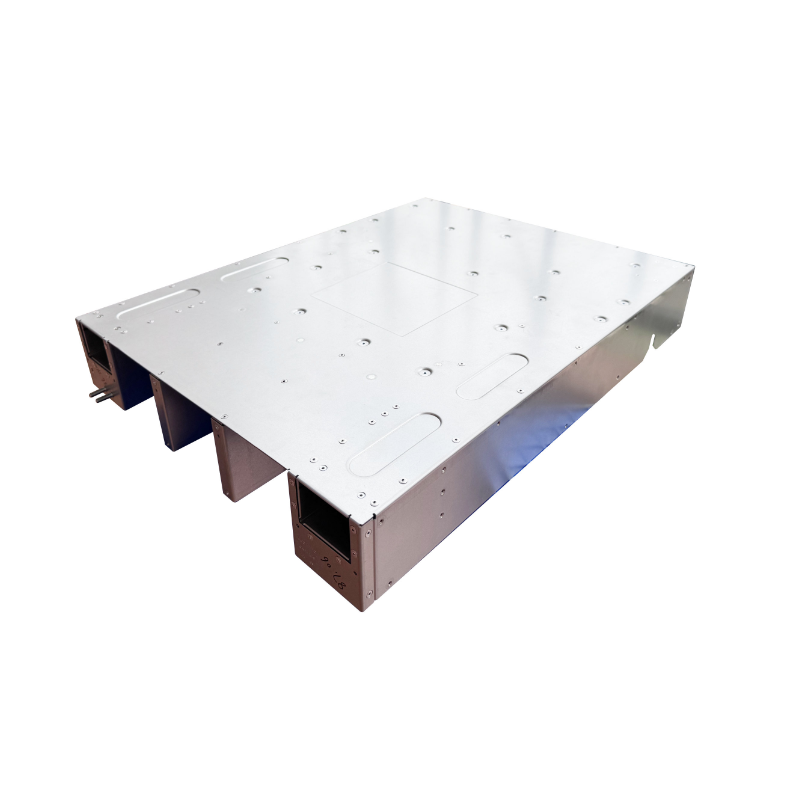
Our custom sheet metal casing for electronic devices provides a starting point for discussing a drawing-based enclosure structure. The required geometry and acceptance criteria must be agreed for each project; a product photograph does not define the delivered specification.
Match each component to its job
| Component | Purpose in the assembly | Information to provide |
|---|---|---|
| Formed metal casing | Defines the enclosure structure and mounting interfaces. | Overall dimensions, sheet thickness, bends, mounting holes, cable openings and mating parts. |
| Perforated or vent panel | Provides an opening pattern within the enclosure design. | Opening sizes, pattern, location, mounting method and any guarding or equipment-level test requirements. |
| Standard fasteners | Join the specified mating parts using a selected catalog item. | Part number, thread, length, panel or hole requirements and the relevant installation instructions. |
Plan ventilation openings together with installation details
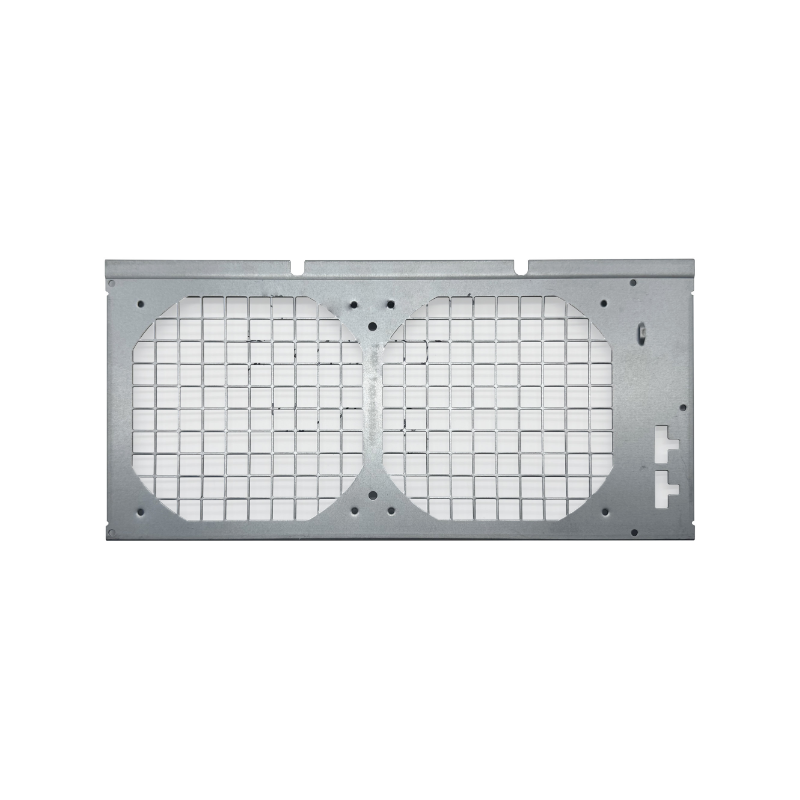
Our perforated metal ventilation housing is an example of a metal panel with an opening pattern. In a new design, specify the openings in relation to the internal equipment and the mating panel, rather than selecting a pattern from appearance alone.
Include any fan mounting positions, fastener access areas and keep-out zones in the drawing. If cooling, electromagnetic compatibility or ingress protection is a project requirement, provide the required test criteria. A perforated metal panel by itself does not establish a cooling rating, shielding performance or an IP rating for the finished enclosure.
Separate drawing-based parts from standard fasteners
A custom housing is specified through its drawing and revision. A standard fastener is selected by its catalog specification and part number. Keep these two purchasing paths distinct in the bill of materials.
For the housing, identify the mating surfaces, critical hole positions and inspection references. For fastening hardware, confirm thread compatibility, available installation space, panel thickness and any required mounting-hole dimensions against the selected product documentation. Do not assume that two visually similar fasteners are interchangeable.
Use our product range to identify the relevant component family. If the fastening method is not yet decided, include an assembly sketch and the required removal or servicing access in your inquiry.
Define material, finish and inspection requirements
Specify the required material grade and sheet thickness, or describe the operating environment and design constraints for review. Agree the material for each component in the project drawing.
State the finish separately from the base material. Mark cosmetic surfaces, threads, mating faces and any areas with special coating or contact requirements. Include the appearance acceptance criteria and the measurements or reports required with the order. Tolerances, material documentation and any compliance requirements should be agreed for the particular component rather than inferred from a general application page.
Prepare an enclosure quotation package
- Drawings and revision: dimensioned 2D drawings and available 3D models, with the current revision identified.
- Assembly context: mating parts, mounting locations, cable openings, access needs and relevant keep-out areas.
- Material and finish: specified grade, thickness, finish and any masking or appearance requirements.
- Fastener schedule: standard part numbers, quantities and the applicable installation conditions.
- Order requirements: sample and production quantities, requested delivery date, inspection criteria and packaging needs.
See our manufacturing services for the project workflow. Quotation and delivery arrangements depend on the reviewed design and order requirements.
For a detailed drawing-revision, component-scope and inspection checklist, see our custom stamping and sheet metal RFQ guide.
Frequently asked questions
Can an existing metal casing be supplied in a different size?
A different size should be treated as a drawing-based project, not assumed to be an available stock variant. Send the revised dimensions together with the mounting pattern, material, quantity and mating-part information so the changes can be reviewed.
Does the ventilation panel determine the enclosure’s cooling or shielding performance?
No. The panel alone does not establish those performance ratings. Specify the intended equipment configuration and required validation criteria, and evaluate the completed enclosure against the applicable project requirements.
Can I choose enclosure fasteners from a photograph?
A photograph can help identify a product family, but it is not enough to confirm compatibility. Use the catalog part number and verify the thread, dimensions, installation requirements and mating parts before ordering.
What should I send if the enclosure design is not finalized?
Send the available drawing or assembly sketch, the component layout, intended use, quantities and the decisions that remain open. Clearly distinguish fixed requirements from options for review; final production specifications must be agreed before manufacture.
Related Products
Discuss your component requirements
For custom parts, share drawings, material requirements and quantities. For standard fasteners, include the part number, specifications and installation conditions.