
Custom stamped metal housing for electrical equipment housing
- Part No :
-
Housing example and drawing requirements
The specifications below apply to the pictured housing component. Define other assembly components separately.
Product type Custom electrical-equipment housing component Example process Metal stamping Example material SGCC sheet Visible structure Panel openings, formed tabs, folded side edges and mounting features Dimensions and tolerances According to the approved drawing Additional finish Specify in the project drawing Service OEM customization Quotation inputs Drawing revision, sheet thickness, material grade and quantity - Inquiry now
Detailed description
Custom stamped metal housing for electrical equipment housing
This electrical-equipment housing example is made from SGCC sheet by metal stamping. It has a rectangular panel with openings, formed tabs, folded side edges and mounting features. These features belong to the pictured housing component; they do not define the materials or specifications of other parts in an equipment assembly.
Material and surface requirements
SGCC is the material specified for this example. Select the material grade and sheet thickness for a new project in the approved drawing. Define any additional surface treatment and the surfaces to be masked as part of the project specification.
Openings, bends and mounting interfaces
Define the panel outline, opening sizes and locations, tab geometry, bend angles and mounting interfaces on the drawing. Identify the mating components and the dimensions that control assembly. Specify edge and burr requirements around openings and contact surfaces.
Quotation and inspection requirements
Send the drawing revision, material grade, sheet thickness, required quantity and any sample information. Mark critical dimensions, datums and inspection criteria. Agree the required samples, reports, packaging and delivery schedule for the project before production.
Frequently Asked Questions
What material and finish should I specify for this housing?
The pictured electrical-equipment housing is an SGCC sheet-metal stamping. For a new project, state the material grade, sheet thickness, required surface treatment and any surfaces to be masked on the approved drawing. Give other equipment components their own material and finish specifications.
What drawings are needed to check the openings and mounting tabs?
Provide the panel outline, opening sizes and positions, tab geometry, bend angles and mounting interfaces. Identify the mating components and the dimensions that control assembly. Mark datums, critical dimensions and edge or burr requirements around openings and contact surfaces, and include the drawing revision and required quantity for quotation review.
About our company
Dongguan Lanbo Electronic Technology Co., Ltd. (Brand: LAMBOOR) was established in 2010 with 15 years of experience in precision hardware manufacturing. We own a 3,000 sq.m standardized factory and employ over 100 professional technicians, acting as an integrated one-stop manufacturer specializing in custom precision hardware structural components, covering mold development, stamping, sheet metal, CNC turning, welding and dust-free assembly.
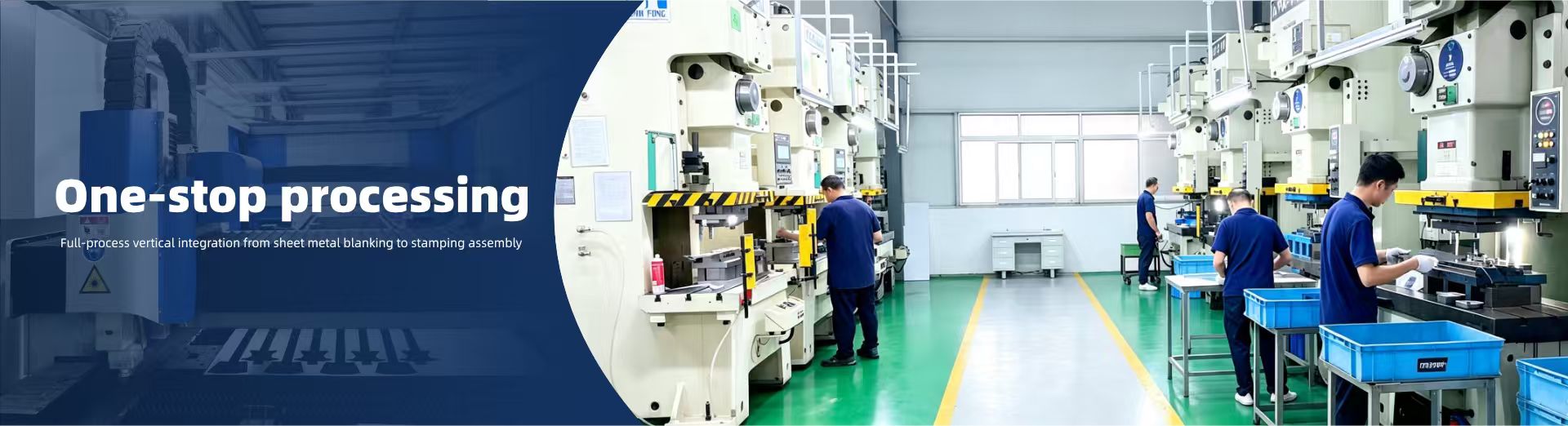
We are fully equipped with Jinfeng/Aomate stamping machines, laser cutting machines, CNC bending machines, together with complete QC testing equipment including 2D projectors, salt spray testers and tensile testers. Certified to ISO9001:2015, we hold multiple utility model patents for hardware molds.
Our products are widely applied in consumer electronics, optical communication, medical devices, automotive and new energy electrical industries, with more than 400 customized projects completed. We maintain long-term partnerships with renowned enterprises including KYOCERA, Foxconn and RICOH.
63% of our annual RMB 30 million revenue comes from overseas exports. Our self-developed progressive mold technology cuts processing costs by 80%. We support rapid prototyping and mass production, delivering stable, cost-effective customized hardware solutions for global clients.
contact us
Dongguan Lanbo Electronics Technology Co., Ltd.
- Site: http://www.lamboor.com
- Add: 2nd Floor, No.6 Gaoke Industry 5th Road, 4th Village,Tangxia Town, Dongguan, Guangdong, China (Mainland)
- Tel: 86-0769-88004528
- Phone: 86-13559772755
 Lily lily@lamboor.com +86-13559772755
- Catherine sales@lamboor.com +86-18928215298
- Wisdom sales01@lamboor.com +86-18929157606