APPLICATION GUIDE
Standard Fasteners for Removable Panels
Standard fasteners for removable panels should be selected around the way the equipment is assembled, opened and serviced. A retained screw can help keep fastening hardware with the panel, but the thread alone does not define a suitable installation. Panel preparation, mounting method and access space all need to match the selected part.
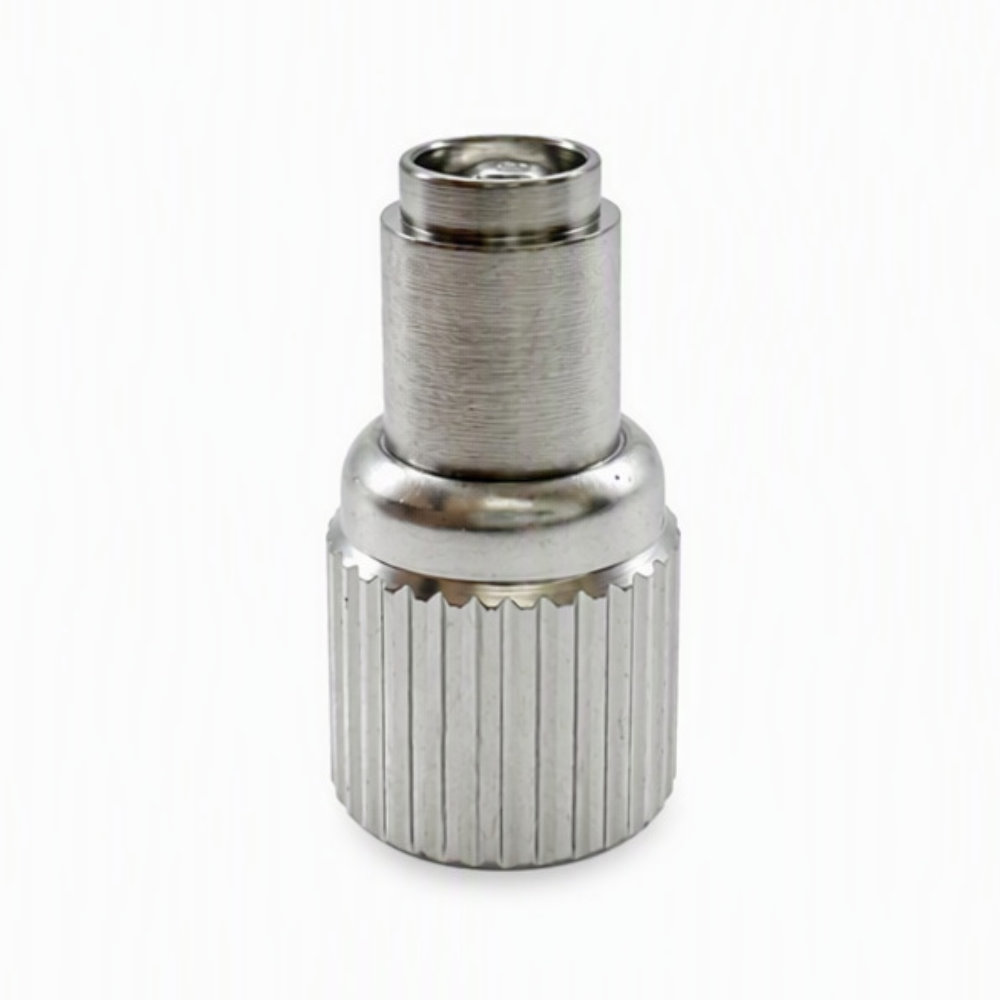
LAMBOOR supplies standard fasteners identified by catalog series and part number. This guide uses the FC-M3-3 flare-in captive panel screw as a product example for evaluating service-access panels. It is an application planning guide, not a report of a completed customer installation.
Start with the maintenance task
For a removable electronics cover or equipment access panel, establish how the technician will release the panel and where the hardware will remain. Consider the space needed to operate the knob or tool, withdraw the screw and lift or slide the panel away. Check that adjacent cables, connectors and internal components do not obstruct the intended movement.
A captive screw is intended to remain retained in its panel assembly when disengaged from the mating thread. That retention function is different from resistance to loosening in service. Where vibration, sealing or electrical bonding matters, specify those requirements separately and validate the complete assembly.
Check four interfaces before selecting a fastener
| Interface | What to check | Why it matters |
|---|---|---|
| Fastener to panel | Panel material, thickness, mounting hole and installation method | The fastener must be retained using its specified mounting arrangement. |
| Screw to mating thread | Thread specification, alignment, engagement and available depth | A matching nominal diameter alone does not establish fit. |
| Operator to fastener | Knob or tool access and clearance during release | The selected component must be operable in the assembled equipment. |
| Panel to equipment | Removal path, mating surfaces and adjacent components | The panel needs room to separate without interfering with the installation. |
Use the correct standard part identity
The FC-M3-3 captive panel screw is listed with a knurled knob and flare-in mounting. Its product page identifies the corresponding catalog designation as FC-3-3. Include the complete website part number and confirm the catalog reference when ordering.
Flare-in and self-clinching mounting arrangements should not be treated as interchangeable. Use the instructions, tooling and panel preparation specified for the chosen series. Do not transfer a mounting-hole size or installation setting from another fastener because the two products look similar.
For alternative sizes or structures, browse our standard fastener range. A different thread, sleeve or knob configuration requires a separate selection check; it is not automatically a drop-in replacement.
Plan an installation sample and inspection
Before releasing a panel for production, evaluate the selected hardware on a representative panel using the approved installation procedure. Check seating, retention, free movement, thread engagement and the panel’s opening path. Include the finished panel condition in the review where coatings affect the mounting interface.
Specify acceptance criteria for the intended service conditions. A standard product listing does not by itself establish a vibration rating, operating life, sealing performance or suitability for a regulated end use. Any such requirement belongs in the project specification and validation plan.
Prepare a focused inquiry
- Full fastener part number and required quantity.
- Panel drawing, material, thickness and finish.
- Mounting-hole details and the proposed installation method.
- Mating-thread specification and available installation space.
- Required inspection documents, packaging and requested delivery date.
If the surrounding casing is also being developed, use our electronic enclosure component guide to prepare the enclosure information. Keep drawing-based casing requirements separate from the standard fastener schedule.
Frequently asked questions
Can a captive screw be used as the panel’s only locating feature?
Do not assume that fastening also provides the required location accuracy. Identify how the panel is positioned in the assembly drawing, and check the fastener’s permitted movement against that arrangement.
Can an existing panel be converted to a captive-screw design?
Possibly, but the existing hole, panel thickness, material and available space must be checked against a selected mounting arrangement. Send the panel drawing before treating the change as a direct replacement.
Does “standard fastener” mean the item is immediately available?
No. A standard designation identifies a defined product configuration, not current inventory. Confirm quantity, availability and delivery arrangements for the order.
Related Products
Discuss your component requirements
For custom parts, share drawings, material requirements and quantities. For standard fasteners, include the part number, specifications and installation conditions.